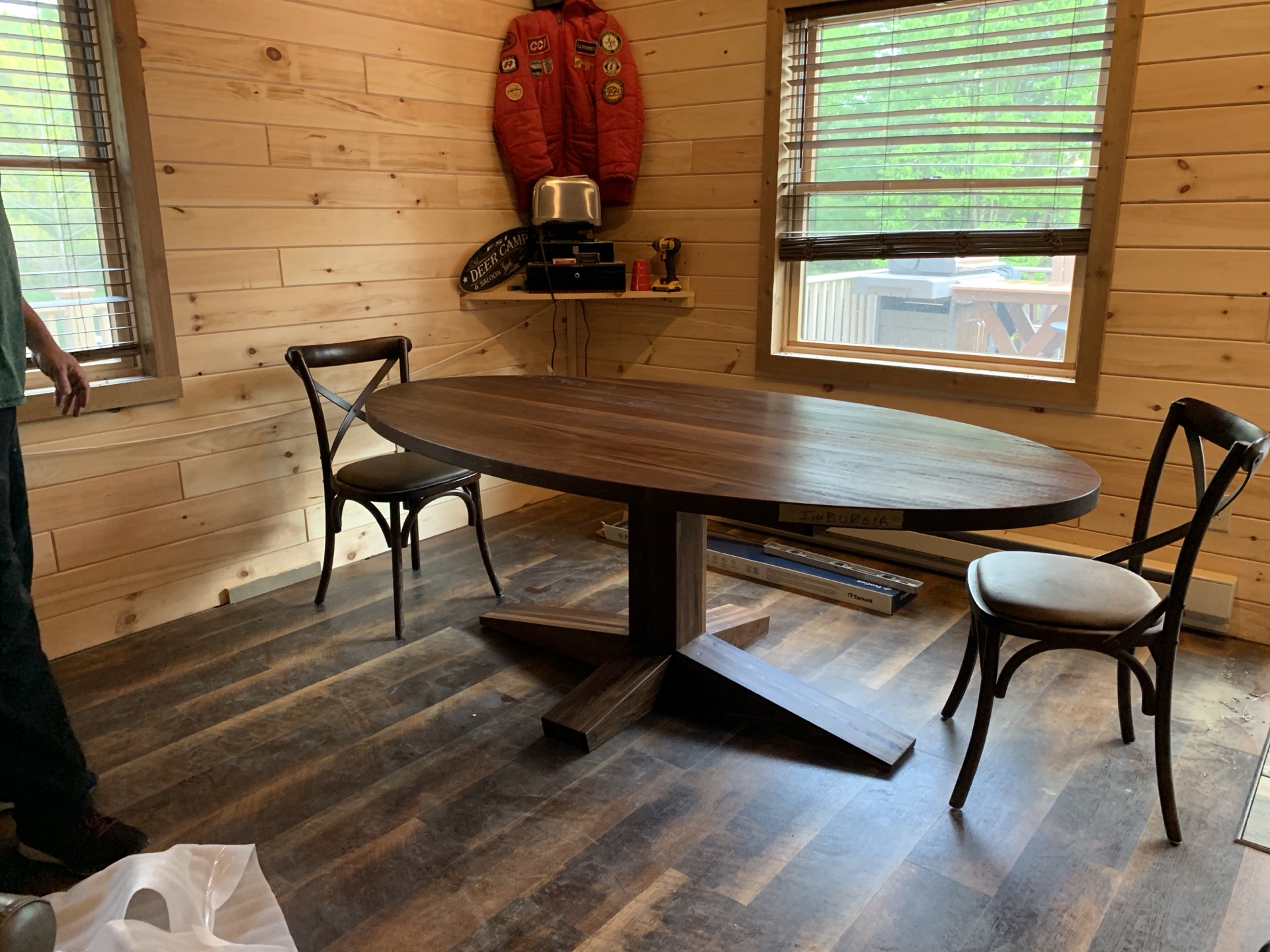
The right dining table does not simply fill a room. It gives the room a reason to gather.
A discerning buyer is rarely looking for more furniture. They are looking for the piece that can hold a family dinner, a long conversation, a holiday, a quiet morning, or a room’s entire visual center without feeling forced. That is why a truly custom dining table begins with attention—not a preset list of options.
Proportion
A scale that feels settled in the room—not merely large or small
Material
Walnut selected for the grain, figure, and tone it brings to the piece
Presence
A composed form that stays relevant as the home evolves
01 · Begin With the Room
The room sets the terms. The table answers them.
The most successful dining tables are not designed in isolation. They respond to the room’s length and light, the chairs around them, sightlines from the kitchen or entry, the way people circulate, and whether the table will host two people on a Tuesday or twelve on a holiday.
A custom commission gives those choices a place at the beginning. The proportion, edge, height, base, and seating plan can all be shaped around the actual setting, rather than asking the room to compromise for a fixed table.
02 · Choose a Form With a Point of View
A sweeping ellipse changes the conversation.
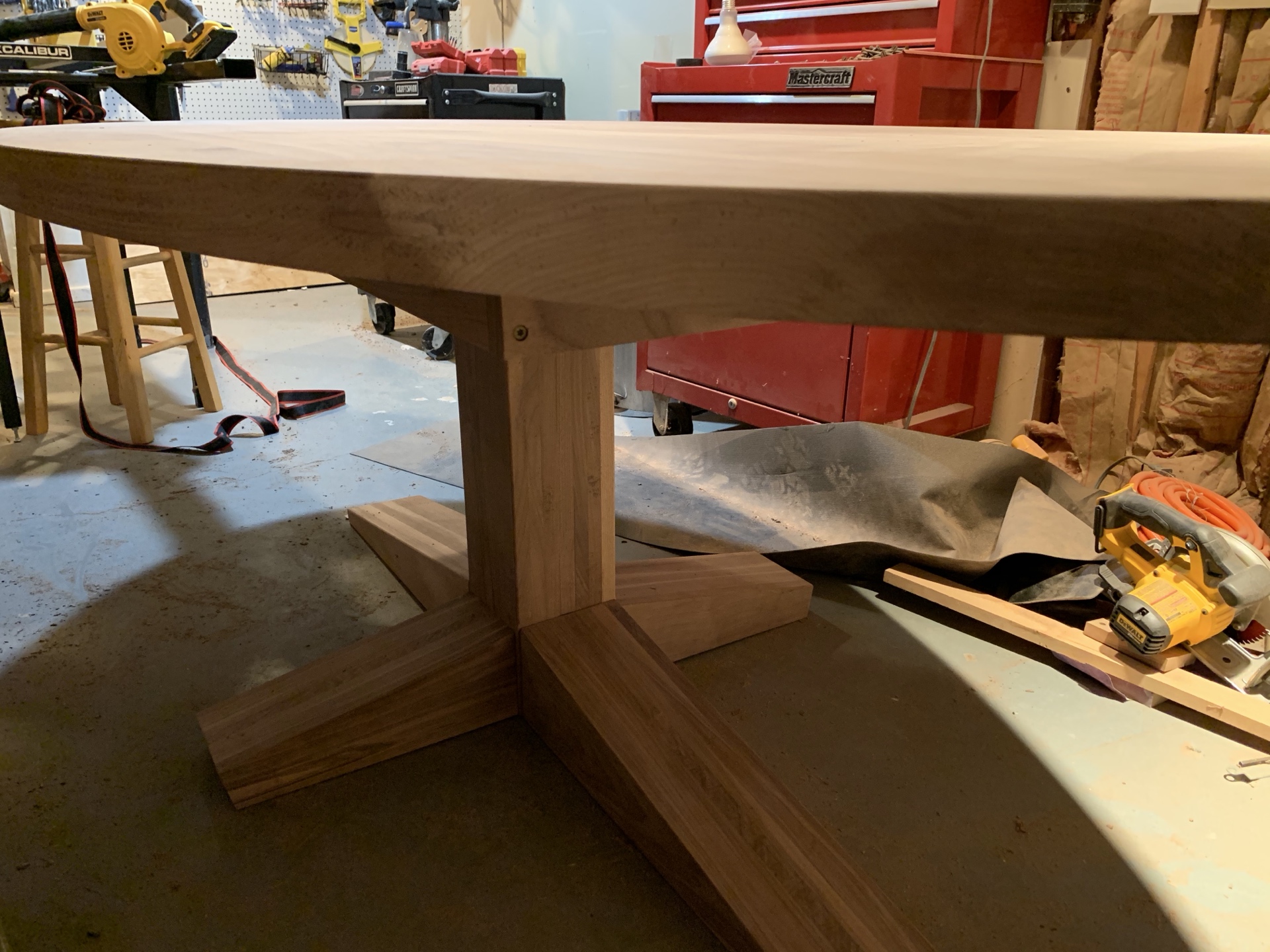
Rectangle, ellipse, oval, and custom forms each create a different relationship between people and space. For this American black walnut dining table, an ellipse creates a continuous, soft perimeter that lets the piece feel generous without reading as rigid. It is a timeless mid-century gesture—architectural, warm, and composed.
That does not make an ellipse the answer for every dining room. It is a useful example of the real benefit of custom work: the table’s shape can follow the way a particular room wants to feel.
03 · Let the Material Carry the Mood
Walnut offers warmth without noise.
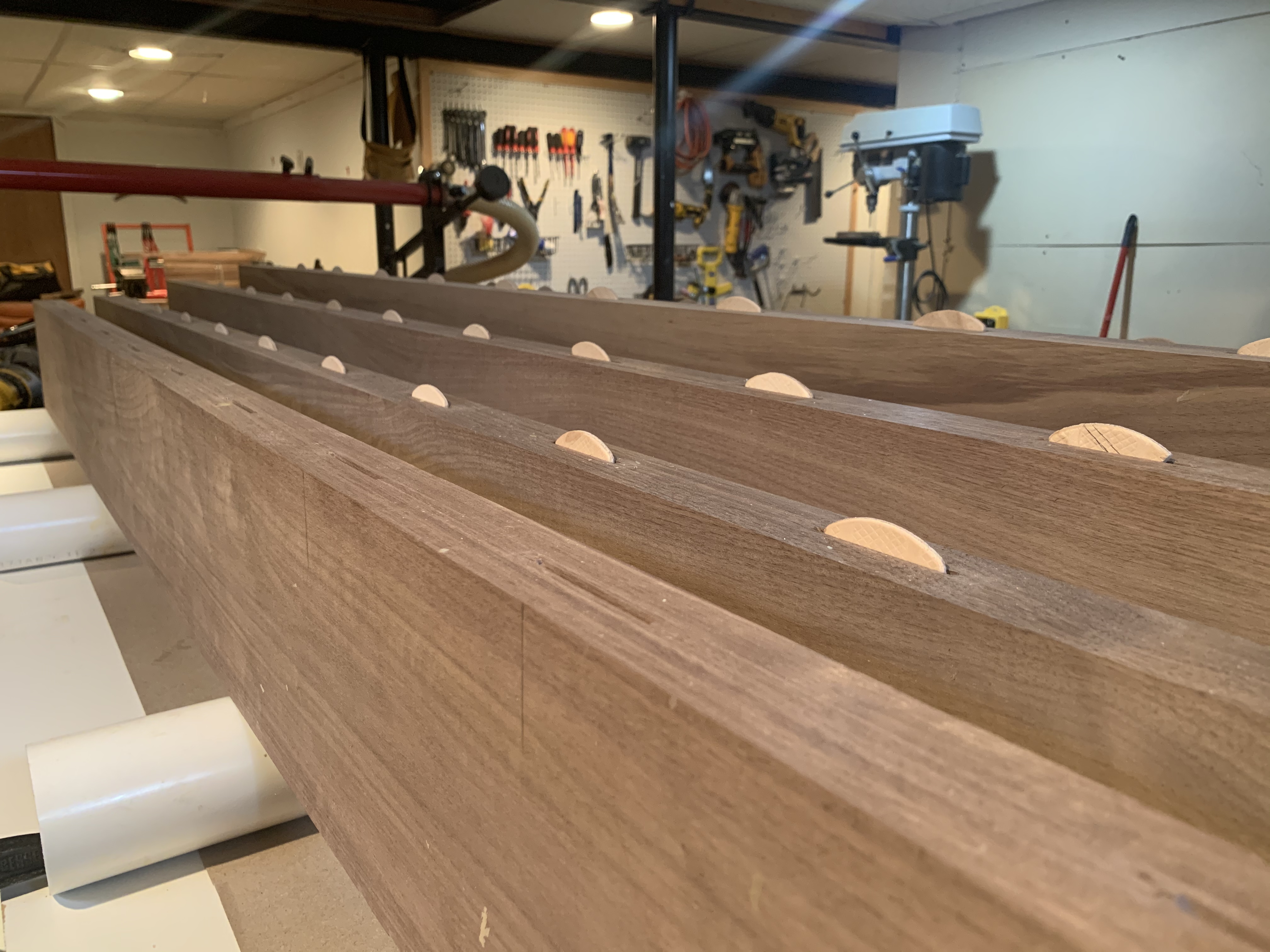
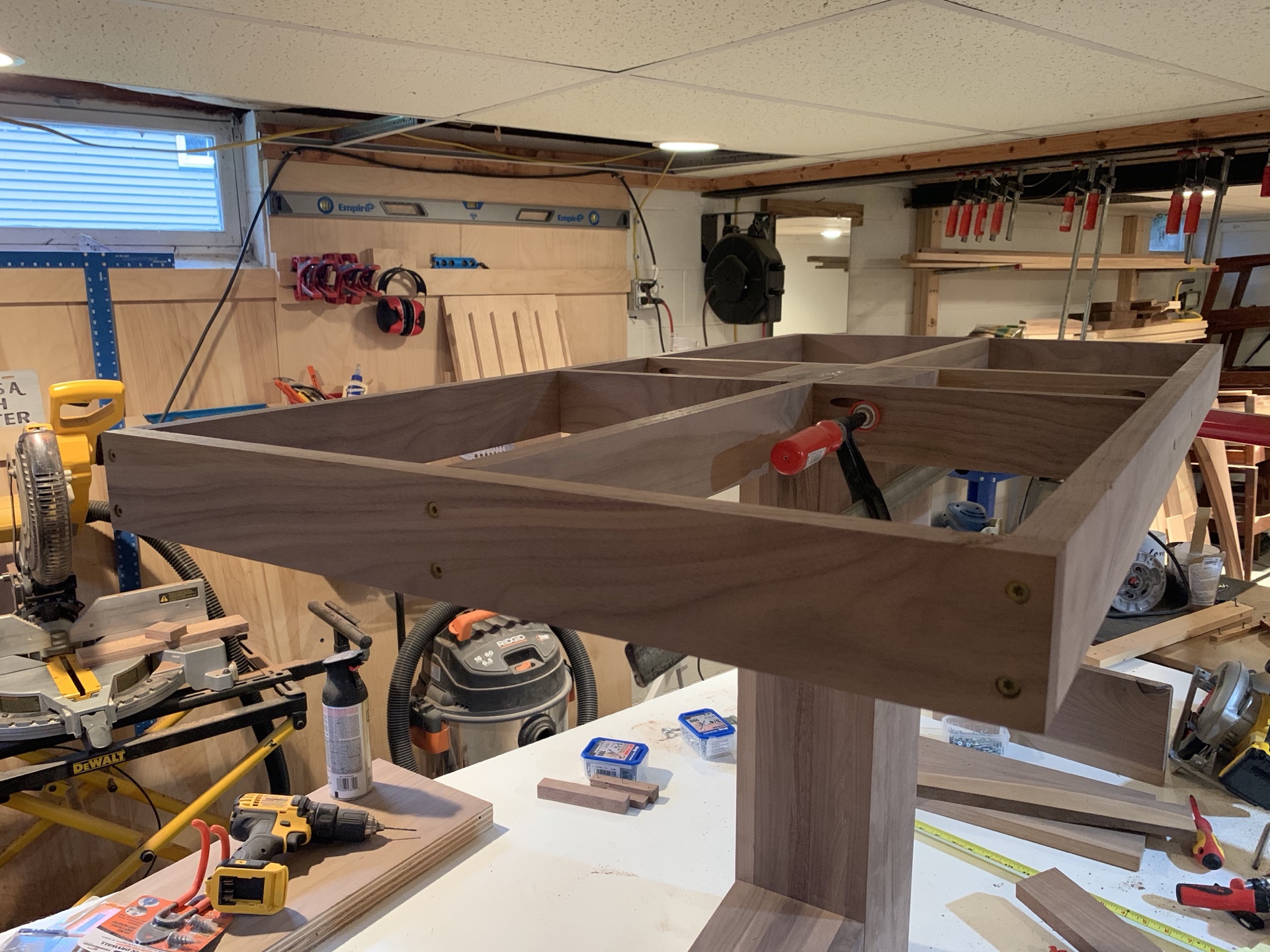
American black walnut is often chosen for its rich visual character and warmth. In a custom piece, the choice becomes more specific: which boards belong together, how much movement feels right, whether the surface should be calm or expressive, and how the finish should meet the home’s existing palette.[1]
That care is what allows walnut to feel substantial without becoming overbearing. It has enough depth to anchor a dining room, but the final table still depends on proportion, form, and the people who will use it.
04 · Invest in the Decisions You Will Live With
A modern heirloom is a personal standard—not a style label.
The phrase “modern heirloom” is useful only when it describes the actual care behind a piece: a design fitted to the room, material selected with intention, proportions that will not exhaust the eye, and craftsmanship worth revisiting over time. It is not a promise that every table should look antique or that one form will suit every household.
The goal is simpler and more enduring: a table that feels inevitable in its first room and remains meaningful as the life around it changes.
Begin With the Right Questions
Plan the piece before choosing the furniture.
The Custom Table Brief helps you organize the decisions that make a dining table feel personal: intended use, seating, room measurements, walnut character, form, base direction, finish, investment, and timing. It is a thoughtful first step before a commission conversation.
Reference
[1] Jeff Mack Designs, “Best Wood for a Custom Dining Table.”