The right material is not a house rule. It is part of the client’s point of view.
Walnut has a central place in Locust Hill Customs work, but it is not the only answer. In this desk, white oak offered a lighter, more architectural presence. The question was never whether to make the desk look like a walnut piece in a different color. It was how to let this species, this workspace, and this client’s preferences shape a desk worth keeping.
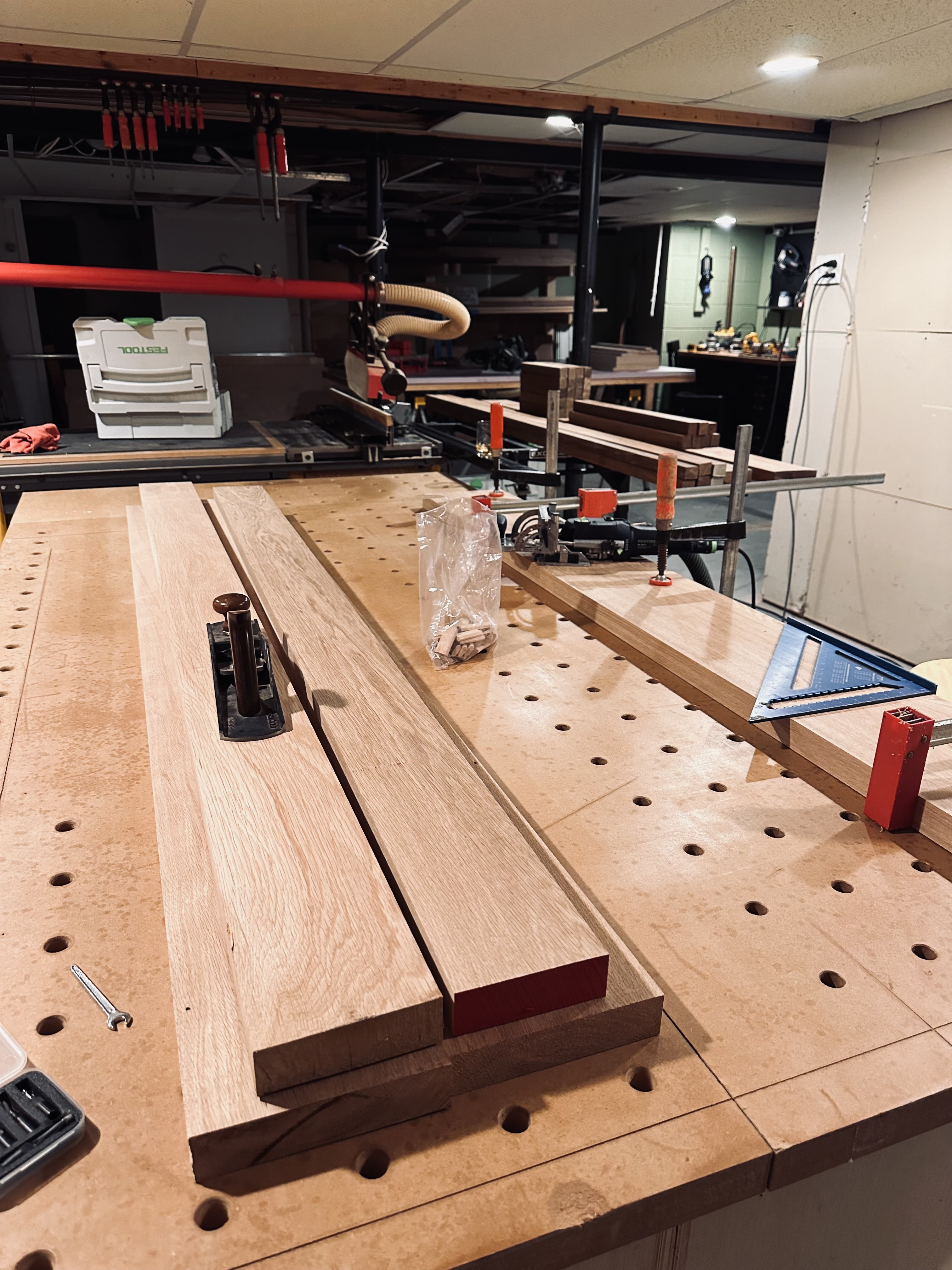
The client brief
A desk in white oak, built to feel lasting rather than borrowed from a catalog
The material brief
Board tone, grain, texture, edge, and finish working together
The work brief
A surface and structure considered around the person who will use it
01 · The Species Changes the Conversation
White oak brings a different kind of quiet.
American white oak is often appreciated for its generally straight grain, range of light-to-brown tones, and visible ray figure. It can read as clean, warm, architectural, or more expressive depending on board selection, grain direction, edge treatment, and finish.[1]
That is why species should be part of an early commission conversation—not a finishing choice at the end. A custom piece has the freedom to begin with the way a room should feel, then select the wood and details that bring that intention into focus.
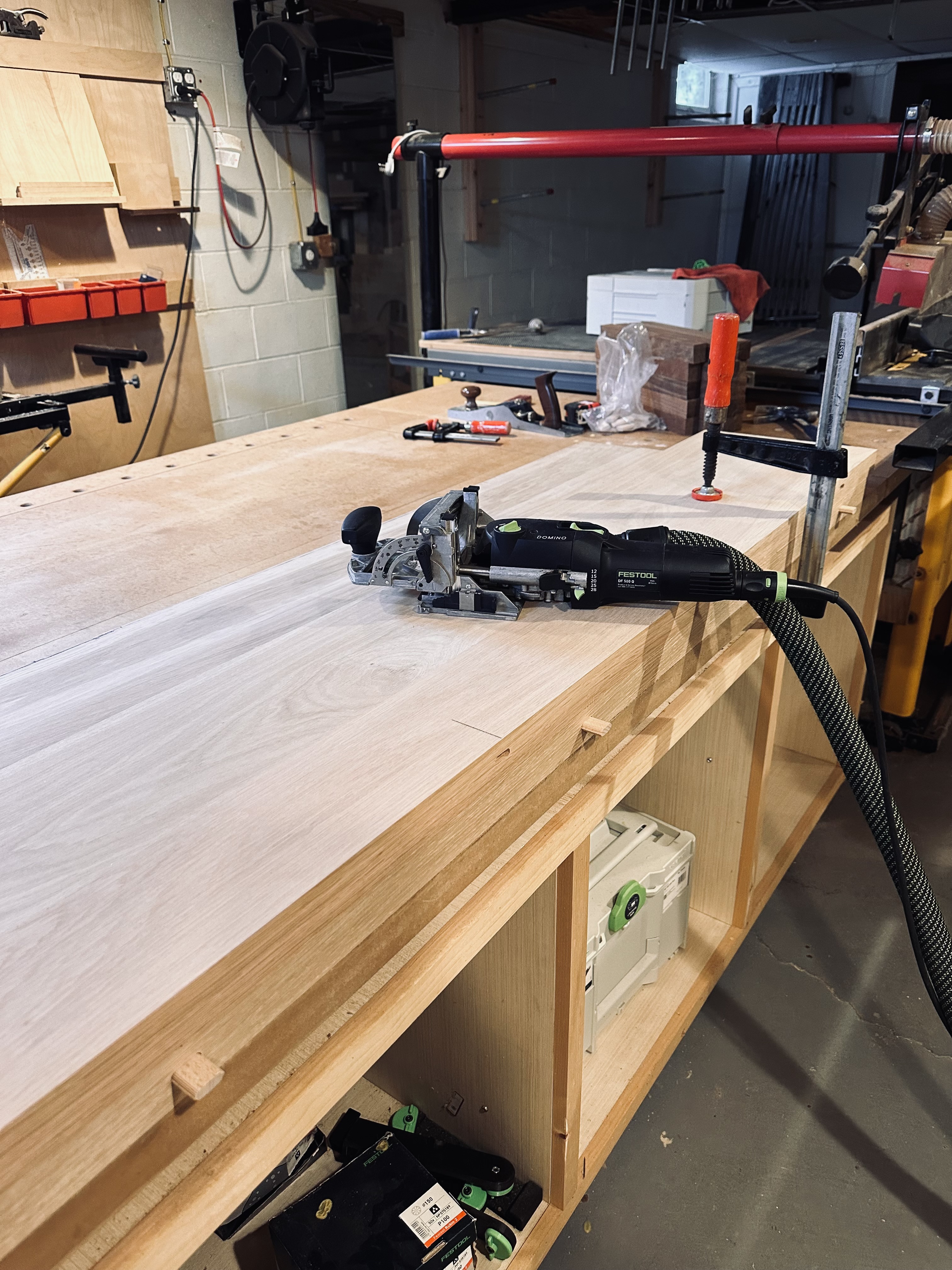
02 · A Desk Is More Than Its Surface
Joinery and edge work are the details that keep the visual promise.
An heirloom desk should reward close attention as well as the long view across the room. The alignment of boards, the transitions at the edge, the way components come together, and the calm of the finished surface all contribute to whether the piece feels deliberate or merely assembled.
That level of attention is what allows a custom desk to carry real daily work without being reduced to office furniture. The technology on top will change. The desk should remain a meaningful part of the room.
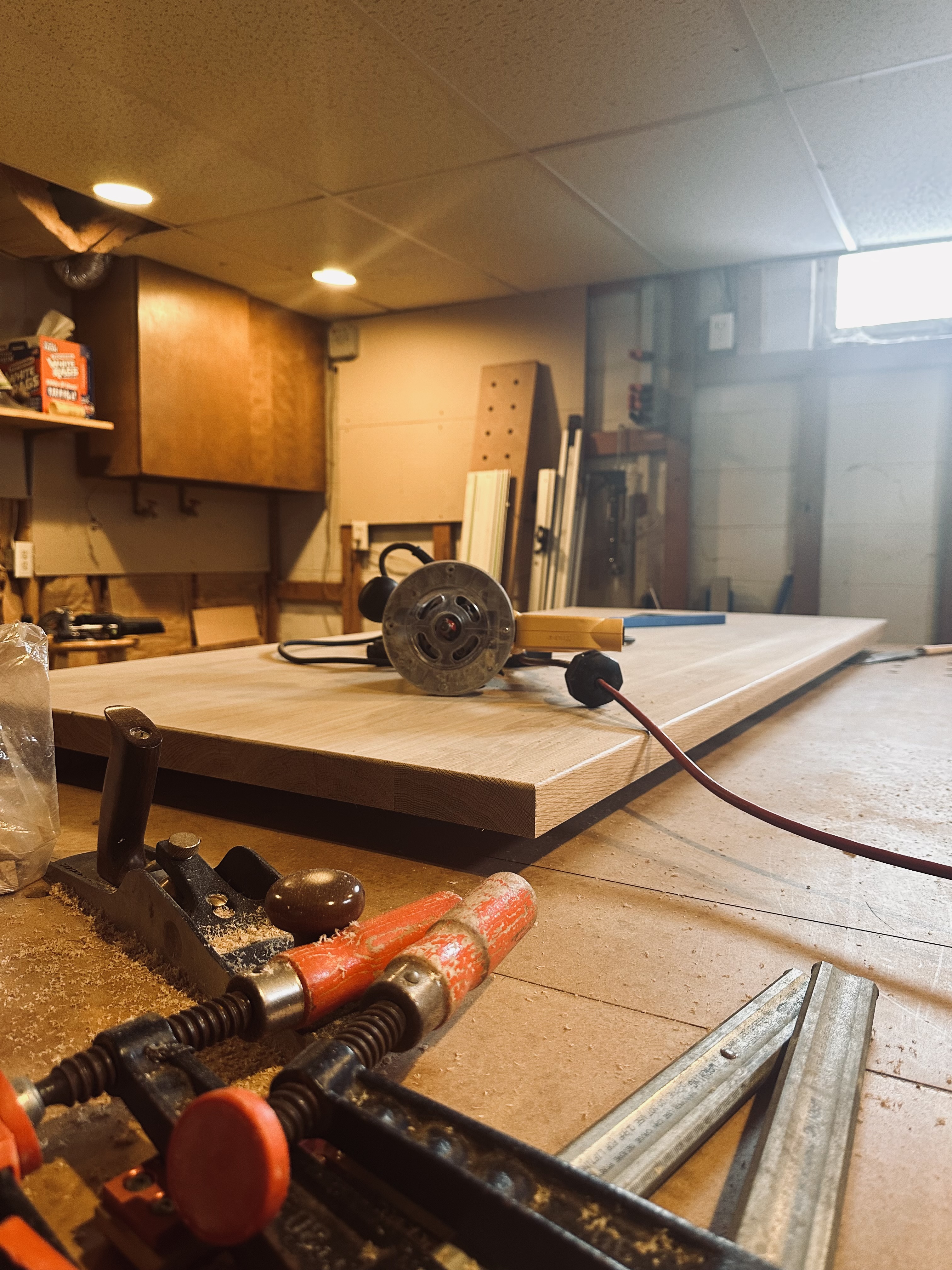
03 · Custom Means a Better Starting Point
The best commission starts with the room, the work, and the wood you are drawn to.
Bring the dimensions of the office, the tools that stay on the desk, the chair, the light, and a few images or materials that feel right. Walnut may be the answer; white oak, another hardwood, or a different direction entirely may suit the room better. The goal is not to prescribe a species. It is to make the result feel inevitable once it arrives.
This white oak desk is a reminder that the most personal part of a custom commission is not simply having something made. It is being understood well enough that material, craft, and daily life can meet in one enduring piece.
A Desk That Begins With You
Choose the wood that belongs in your working life.
Whether the room calls for walnut, white oak, or another material direction, begin with the actual space and the way you work. Locust Hill Customs will turn the brief into a piece with a clear point of view.
Reference