The desk should become the calmest surface in the room—not another place where work collects.
A better home office is rarely about adding more things. It is about deciding what deserves a place, then giving it one. The monitor, keyboard, lamp, notebook, printer, and daily papers should feel considered together, with enough uninterrupted walnut surface left for the work that cannot be predicted.
The work brief
Screens, laptop, keyboard, paper, lamp, and printer
The room brief
Window light, outlets, wall space, chair, and circulation
The material brief
Walnut character, edge, base, finish, and visual tone
01 · Start With the Day You Actually Have
Let the tools set the first proportions.
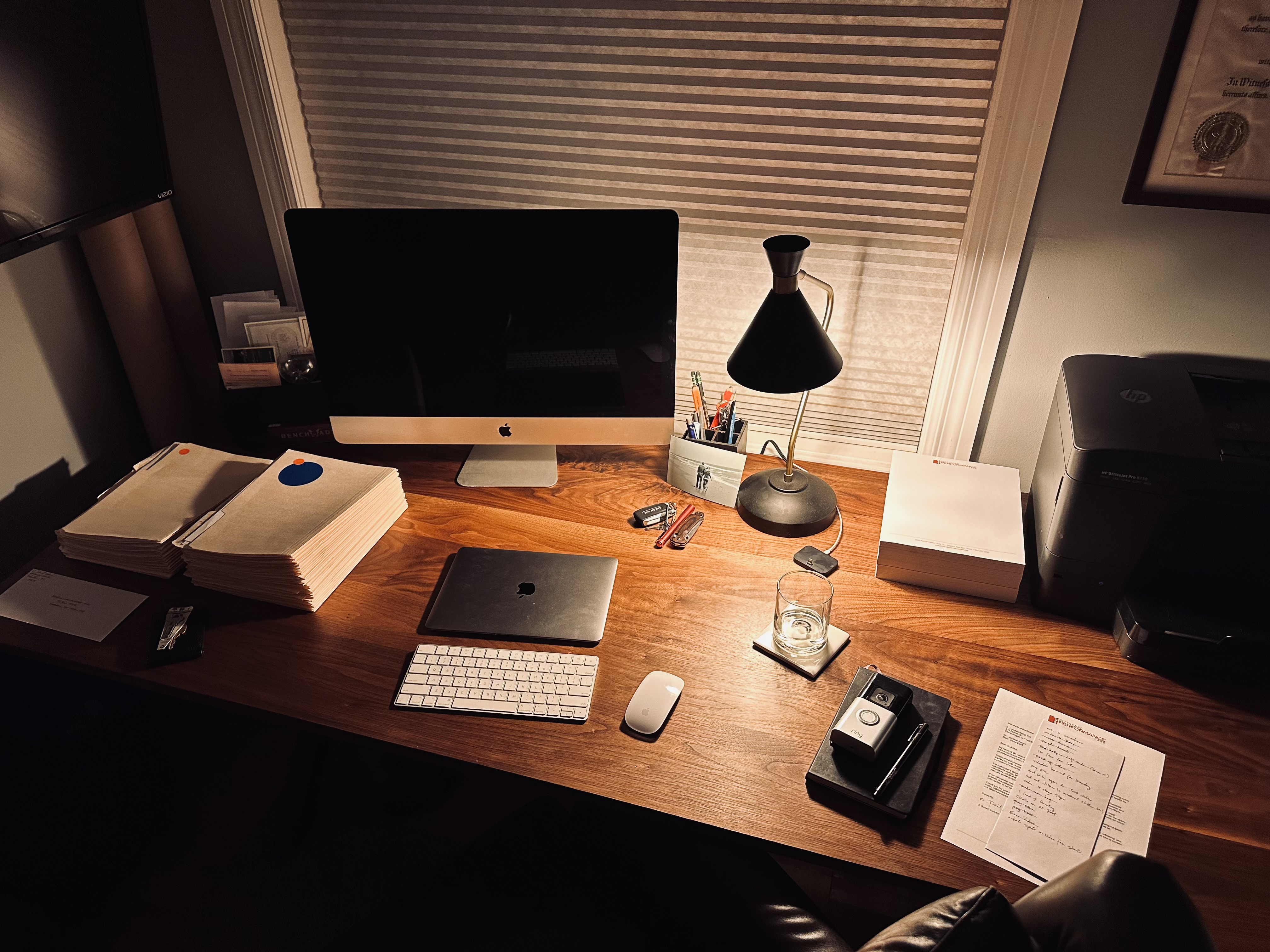
Before choosing a length or edge detail, list what lives on the desk during an ordinary week. A single monitor asks different questions than two displays. A laptop, handwritten notes, reference books, a printer, task light, or client folders each influence the surface, depth, storage, and cable path.
Planning with real equipment also makes the desk feel less temporary. Screen location, keyboard reach, wire exits, lighting, and a clear writing area can be considered during the design—rather than forced onto a finished surface later.
02 · Make Room for the Person, Not Only the Hardware
Legroom, reach, and chair placement belong in the original drawing.
A desk earns its place when the person using it can sit, move, reach, and settle in naturally. Keep clear space below the surface for legs and feet; keep the keyboard, pointing device, and regularly used objects within easy reach; and plan monitors, lighting, and cable routing before the dimensions are fixed.[1]
Those are design inputs, not a prescription. The final desk should be tailored to the room, the chair, the owner’s working habits, and any individual guidance that matters to them.
03 · Give the Office a Material Center
Walnut makes the workday feel less disposable.
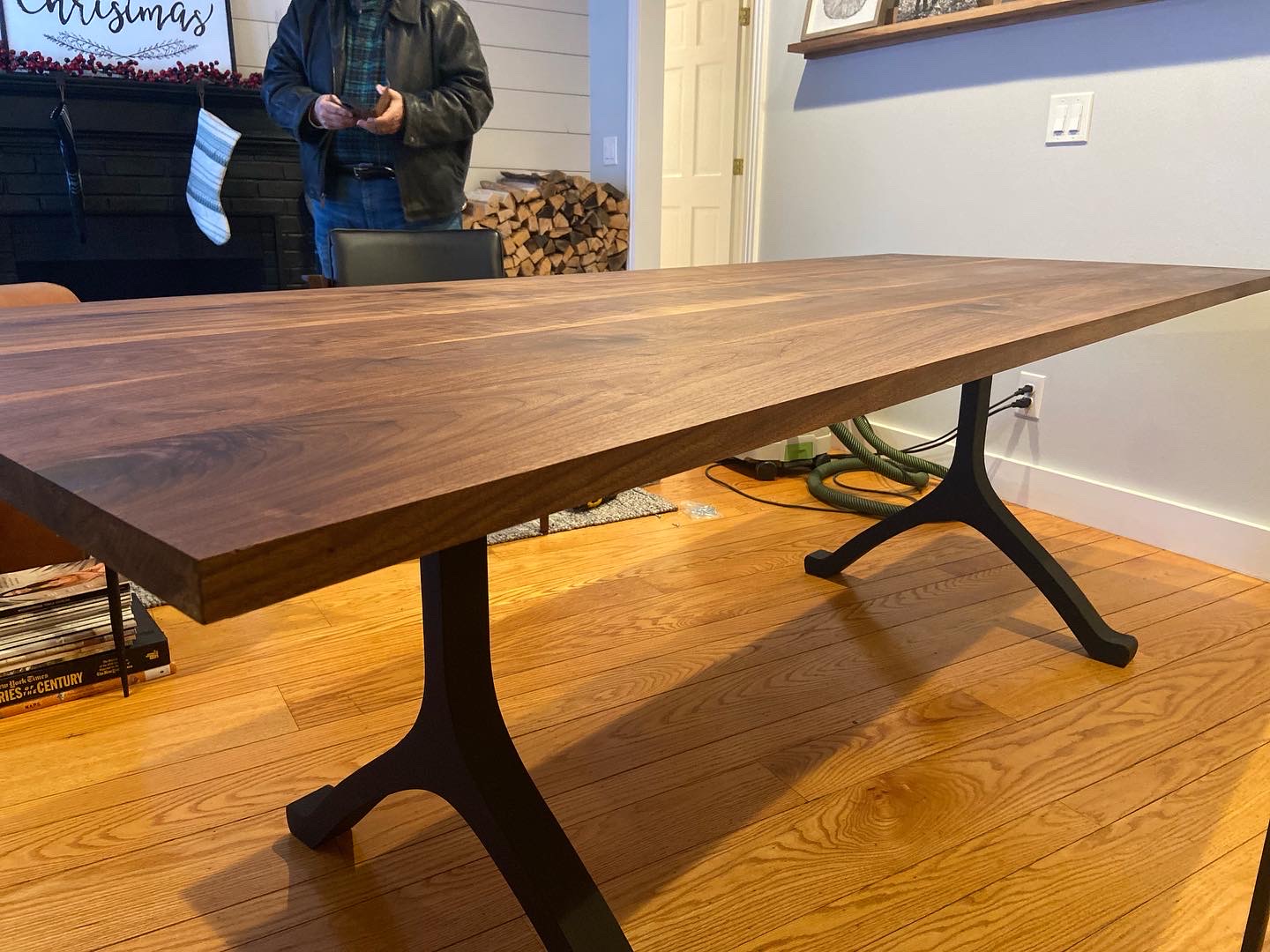
A custom walnut desk can make a private office feel established without becoming ornate. The wood brings movement and warmth to the longest view in the room, while the selected boards, edge profile, finish, and support design determine whether it reads as calm, expressive, architectural, or quietly mid-century.
The result should not look like office furniture that happened to be made from wood. It should feel like a real piece of furniture designed around a working life—one that can remain relevant as the technology on top of it changes.
04 · Design the Whole Working Room
The desk becomes more convincing when its companions belong.
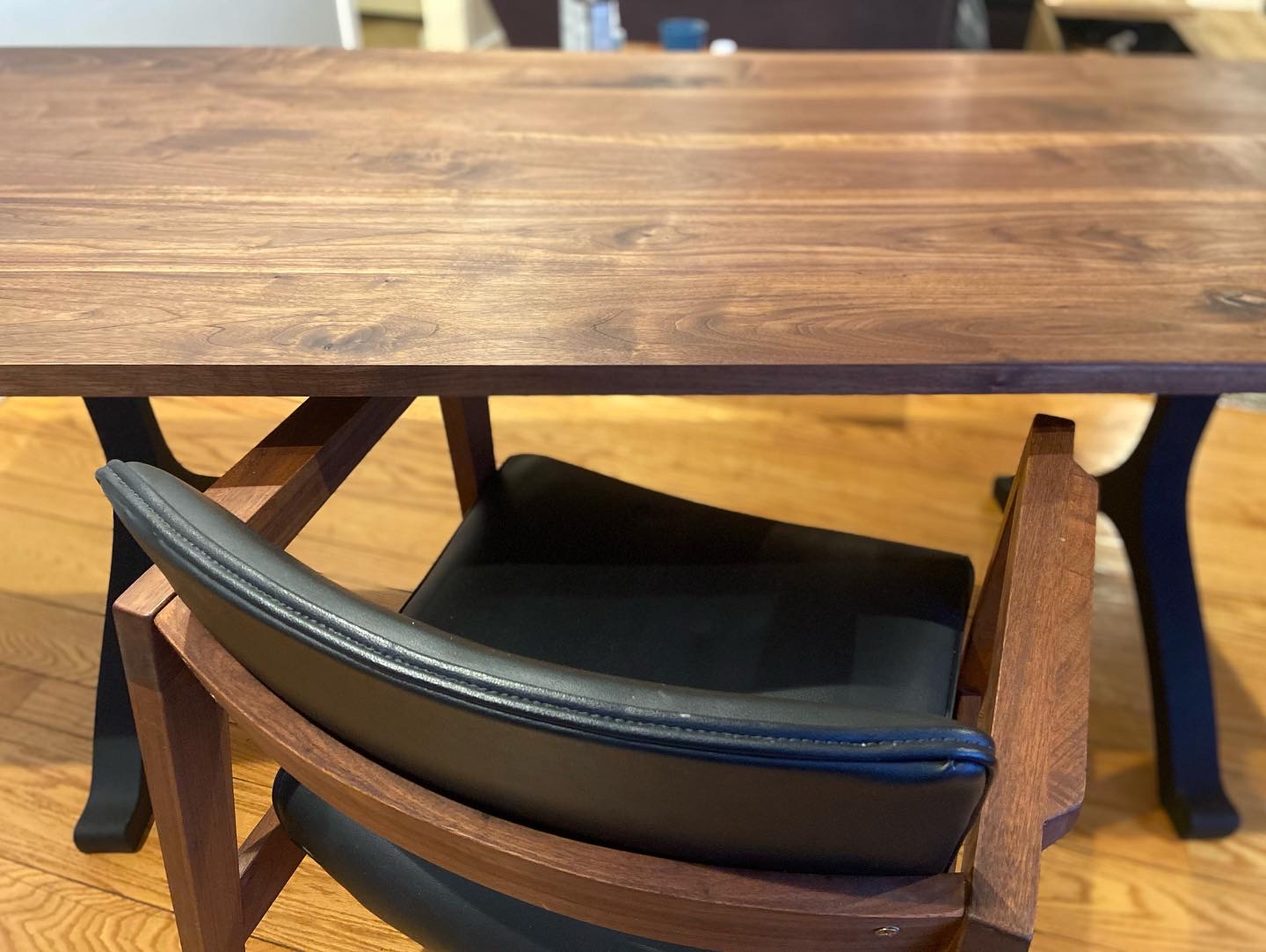
A custom desk rarely lives alone. A thoughtfully proportioned chair, shelf, credenza, lighting plan, or art wall can carry the same material and design language through the office. The work surface becomes the anchor, then the rest of the room has something clear to respond to.
This is the appeal of a modern-day heirloom workspace: it is functional now, but it does not depend on the current trend or a catalog set to feel complete.
A Better Brief for Better Work
Begin with the room and the rhythm of the day.
Bring dimensions, a list of the tools that stay in view, a few images that capture the intended feeling, and the questions you have about walnut, base design, storage, or cable management. Locust Hill Customs will shape the desk around the work and the room—not a preset template.
Reference